
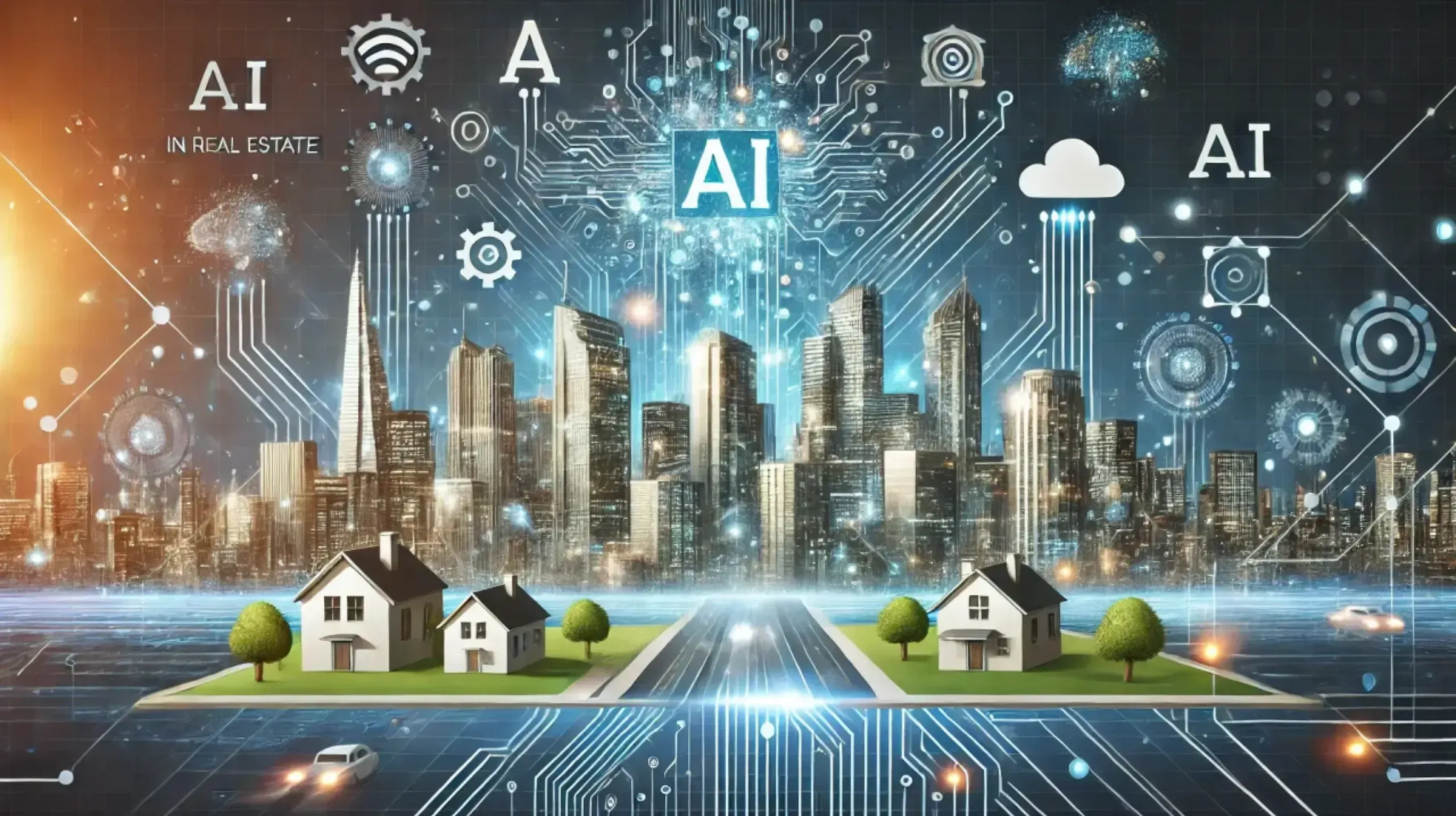
Tenant engagement is a cornerstone of successful property management. As competition in the rental market intensifies, property managers and landlords must adapt to meet the growing demand for seamless, tech-driven interactions. Rod Khleif, a seasoned real estate investor and mentor with decades of experience, understands that leveraging technology is crucial to enhancing tenant experiences, streamlining operations and boosting retention rates. Artificial Intelligence (AI) and automation have revolutionized the way properties interact with tenants, creating more efficient, responsive, and personalized experiences.
The Shift Toward Tech-Enabled Engagement
Traditional tenant engagement strategies relied heavily on manual processes, personal interactions and reactive maintenance. While these approaches remain valuable, they are often inefficient and unable to keep up with modern tenants’ expectations for quick, seamless service. AI and automation are bridging this gap by providing real-time responses, predictive maintenance solutions and data-driven insights to improve tenant satisfaction.
How AI and Automation Are Enhancing Tenant Engagement
1. AI-Powered Chatbots and Virtual Assistants
AI-driven chatbots and virtual assistants are transforming tenant communication. These tools provide instant responses to inquiries, schedule maintenance requests and offer solutions to common tenant issues without requiring direct human intervention. By integrating AI chatbots into property management platforms, landlords can ensure tenants receive timely and accurate support 24/7.
2. Predictive Maintenance for Proactive Repairs
One of AI’s most significant benefits is predictive maintenance. Smart sensors and machine learning algorithms analyze usage patterns and detect potential issues before they escalate into costly repairs. For example, AI-powered HVAC systems can detect irregularities and schedule maintenance before a breakdown occurs, reducing inconvenience for tenants and minimizing repair costs.
3. Automated Rent Payment and Lease Management
Automation simplifies financial transactions by enabling tenants to set up recurring rent payments, receive automated reminders and access digital lease agreements. AI-powered systems can also analyze payment trends, flag potential late payments and provide proactive solutions to help tenants stay on track.
4. Personalized Tenant Experiences
AI-driven data analytics allow property managers to personalize tenant interactions. By analyzing tenant preferences and behavior, landlords can offer customized recommendations, such as tailored community events, special offers or unit upgrades. This level of personalization fosters a stronger sense of community and increases tenant satisfaction.
5. Smart Home Integration
The rise of smart home technology has given tenants greater control over their living spaces. AI-enabled smart thermostats, keyless entry systems and voice-activated assistants enhance convenience and security. Properties that offer smart home integrations are more attractive to tech-savvy renters and can command higher retention rates.
The Impact of AI and Automation on Tenant Retention
Strong tenant relationships are built on trust, responsiveness and efficiency. Rod Khleif explains, “It’s important to focus on what adds value to tenants while trimming unnecessary expenses.” When tenants feel heard and supported, they are more likely to renew their leases, ensuring stability for property managers and landlords alike.
Implementing AI and automation in property management improves efficiency, reduces operational costs and enhances tenant satisfaction. When tenants experience seamless communication, proactive maintenance and convenient digital solutions, they are more likely to renew their leases.
AI-driven sentiment analysis tools can track tenant feedback and detect dissatisfaction before it escalates. By addressing concerns proactively, property managers can foster stronger relationships with tenants and reduce turnover.
Overcoming Challenges in Implementing AI and Automation
While AI and automation provide transformative benefits, implementing these technologies comes with challenges that must be carefully addressed. The upfront costs of AI-driven solutions can be substantial, requiring property managers to assess the long-term return on investment. Concerns over data privacy and security are paramount, as AI systems often handle sensitive tenant information. Ensuring compliance with data protection regulations and investing in cybersecurity measures are critical steps in safeguarding tenant trust.
Tenant adaptation is another key consideration. Not all renters may be comfortable with automated systems, and some may prefer traditional interactions over digital interfaces. To ease this transition, property managers should provide clear guidance, user-friendly onboarding experiences and optional hybrid solutions that blend technology with human support.
Successful AI integration hinges on seamless implementation. Property managers should select AI tools that align with existing workflows, enhance operational efficiency and offer scalable solutions that can evolve with future advancements in property management technology.
The Future of Tech-Enabled Tenant Engagement
As AI and automation continue to advance, their potential applications in tenant engagement will expand. One of the emerging trends in property management is the integration of AI-powered voice assistants that provide tenants with instant information about their leases, community events and maintenance updates. These tools streamline communication and enhance tenant convenience by eliminating the need for manual inquiries.
Additionally, AI-driven recommendation engines are being implemented to suggest personalized experiences for tenants. For example, based on a tenant’s past behaviors, an AI system can recommend nearby services, preferred community activities or even special offers from local businesses. This not only improves the tenant’s experience but also creates opportunities for partnerships between property managers and local businesses.
Another promising innovation is the use of virtual and augmented reality (VR/AR) in leasing and property tours. Instead of requiring prospective tenants to visit properties in person, VR/AR technology enables fully immersive property tours from anywhere. This reduces the leasing friction, saves time and increases the likelihood of securing leases faster.
AI is also contributing to sustainability efforts in property management. Smart energy management systems use AI to analyze energy consumption patterns and automatically adjust settings to optimize efficiency. This benefits both property owners and tenants by lowering utility costs and promoting eco-friendly living environments.
Embracing the Next Wave of AI in Property Management
The rapid evolution of AI and automation is set to transform the property management industry even further. As more advanced tools become accessible, property managers will need to adapt continuously to keep pace with tenant expectations. AI-driven virtual leasing assistants, automated smart home integrations and real-time predictive analytics will refine tenant experiences and further boost retention rates. Integrating blockchain technology into lease agreements can streamline the leasing process, improve security and enhance transparency. These innovations will allow landlords to minimize administrative burdens while ensuring tenants have access to more efficient, hassle-free leasing experiences.
The long-term success of property management lies in adopting a proactive approach to technology. Those who prioritize AI and automation will optimize operational efficiencies and create an environment where tenants feel valued, connected and engaged. As technology continues to evolve, AI and automation will play an even greater role in shaping tenant engagement.
Advances in machine learning, virtual reality property tours and blockchain-based lease agreements are just a few innovations on the horizon. Landlords and property managers who embrace these technological advancements will gain a competitive edge by offering unparalleled tenant experiences. In an era where convenience and efficiency are paramount, leveraging AI and automation is no longer optional—it is a necessity for long-term success in property management.