
The global peptide therapeutics market was valued at approximately USD $39.2 billion in 2023 and is projected to grow at a compound annual growth rate (CAGR) of 6.8% through 2030, according to Grand View Research. Canada’s research sector is a significant contributor to that growth. Academic institutions, independent laboratories, and performance science researchers across the country are all increasing their demand for high-purity peptide compounds—and shifting toward digital procurement to meet it.
Understanding what drives that shift, and what researchers should look for when they buy peptides online Canada, is critical to making sound sourcing decisions.
The Research Demand Behind the Numbers
Peptides—short chains of amino acids—play a central role in modern biological research. Their applications span a wide range of scientific disciplines, from metabolic function and cellular recovery to anti-aging mechanisms and hormonal signaling.
A 2022 report from the Peptide Science Society noted that over 80 approved peptide-based drugs were in active clinical use globally, with more than 150 additional compounds in various stages of clinical trials. The research pipeline is expanding rapidly, and Canadian institutions are actively participating in that process.
That level of activity requires reliable, consistent access to compounds that meet rigorous purity standards—which is precisely why procurement practices have evolved.
What Purity Standards Actually Mean for Research Integrity
Purity is not a marketing term. It is a measurable, verifiable metric that directly affects the validity of research outcomes.
The industry benchmark for research-grade peptides is greater than 99% purity, verified through High-Performance Liquid Chromatography (HPLC) and Mass Spectrometry (MS). These two analytical methods confirm both the structural identity and concentration of a peptide compound, eliminating impurities that could distort experimental results.
Researchers who source from suppliers that skip this verification step introduce variables into their studies that cannot be controlled for. That is a significant methodological risk, particularly in longitudinal or multi-variable research designs.
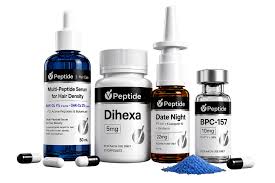
The Peptide Labs applies HPLC and MS verification to every batch produced, ensuring that each vial shipped meets or exceeds the 99% purity threshold. The facility combines automated and manual peptide synthesizers with advanced solid-phase synthesis techniques—a dual approach that supports both consistency and scale.
Key Categories Driving Research Interest in Canada
Several peptide categories are generating significant attention in the Canadian research community:
Fat Loss Research: Compounds such as AOD-9604 and 5-Amino-1MQ are frequently used in metabolic studies examining lipid mobilization and energy regulation pathways.
Muscle Growth and Recovery: BPC-157, TB-500, and Ipamorelin are central to research on tissue repair, anabolic signaling, and post-exertion recovery mechanisms.
Anti-Aging and Cellular Health: GHK-Cu, a copper peptide, has been studied extensively for its role in collagen synthesis and cellular regeneration.
Metabolic Regulation: Compounds like Semaglutide and Tirzepatide are subjects of active scientific inquiry related to glucose metabolism and hormonal signaling.
Each category represents a distinct area of active inquiry, and sourcing decisions directly impact the quality of data generated within them.
Why Online Procurement Has Become the Preferred Channel
Convenience is part of the equation, but it is not the primary driver. Online procurement from verified Canadian suppliers offers several structural advantages:
Faster fulfillment: Same-day shipping on orders placed before 1:00 PM PST reduces research downtime.
Domestic compliance: Sourcing within Canada avoids the regulatory complexity associated with international shipping of research compounds.
Transparent documentation: Reputable suppliers provide certificates of analysis (CoA) with each order, allowing researchers to verify purity independently.
Consistent availability: A well-managed domestic supplier maintains reliable inventory across core compound categories, reducing the risk of supply disruption.
Sourcing Responsibly Supports Better Science
Peptides sold for research purposes are intended strictly for laboratory use by qualified researchers. That distinction matters—both legally and scientifically. Responsible sourcing means selecting a supplier that upholds clear use-case standards, provides full analytical documentation, and operates transparently within the Canadian regulatory framework.
The Peptide Labs was built on that foundation. For researchers across Canada seeking a domestic source that combines rigorous quality control with reliable logistics, visit thepeptidelabs.ca to explore the full product catalog and current availability.