
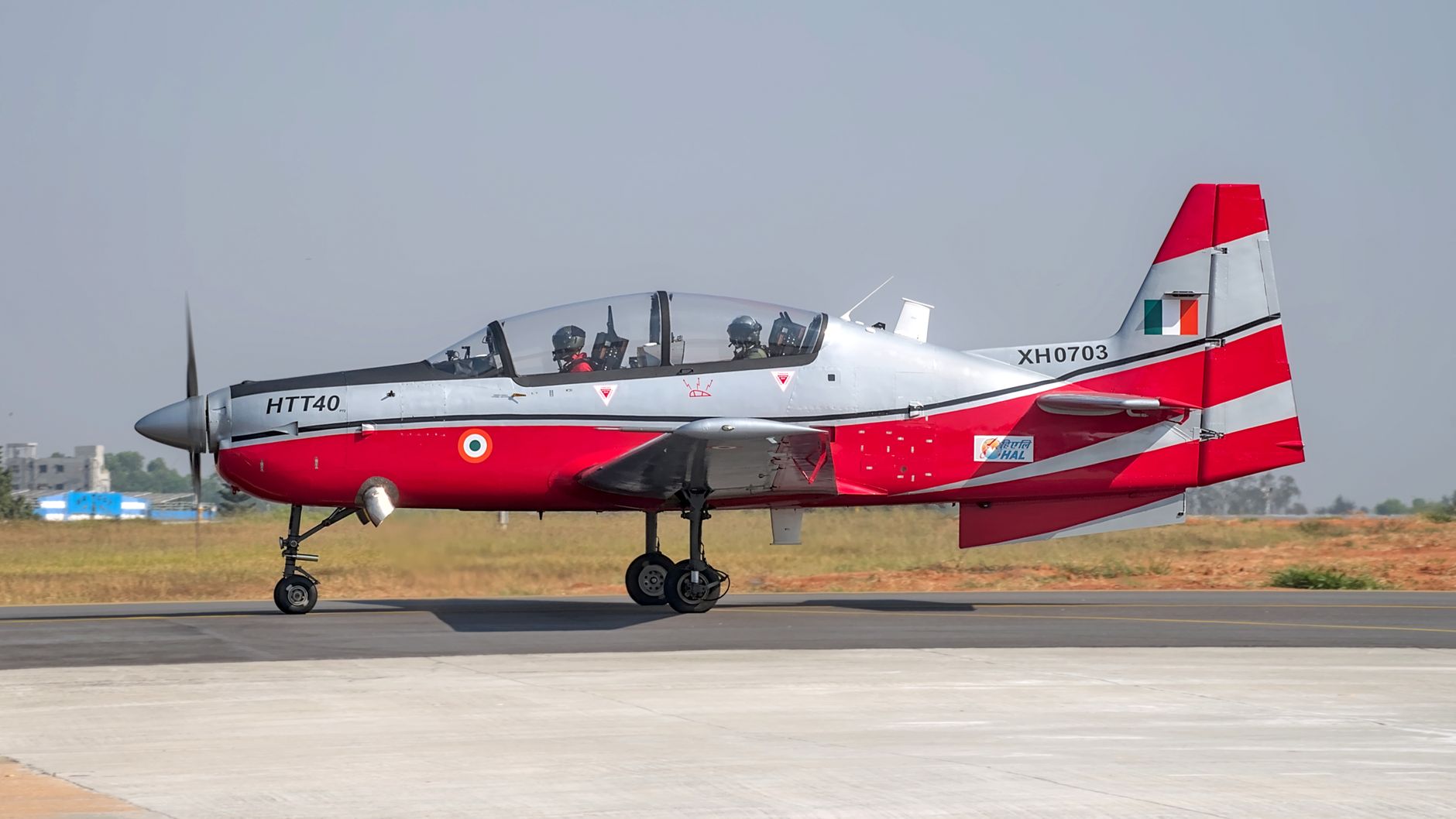
India’s trainer aircraft remains a critical issue as the country struggles to develop its own trainers while showcasing advancements like the AMCA and LCA Mk1A.
Overview of India’s Trainer Aircraft Challenges
India’s trainer aircraft have become a focal point of concern as the nation grapples with the challenges of developing indigenous defense capabilities. Despite significant advancements in military technology, the country still faces hurdles in effectively fielding its own trainer aircraft, a situation that has persisted for over 70 years.
Several factors contribute to this struggle:
- Lack of Investment: Insufficient funding and resource allocation for the development of trainer aircraft have hindered progress.
- Technological Gaps: India continues to rely on foreign technology, impacting the self-sufficiency needed for a robust defense system.
- Policy Challenges: Bureaucratic red tape and inconsistent policies have delayed the production and deployment of domestic trainer aircraft.
As India aims to modernize its air force, the need for effective training aircraft becomes increasingly critical. Indigenous trainer aircraft are essential for preparing pilots to operate advanced combat jets, thereby enhancing national security. The ongoing struggle to develop a reliable fleet of trainer aircraft highlights the broader challenges faced by India’s defense sector.
The Role of AMCA and LCA Mk1A
As India’s defense sector continues to evolve, the spotlight shines on the Advanced Medium Combat Aircraft (AMCA) and the Light Combat Aircraft Mk1A (LCA Mk1A). These aircraft are pivotal in bridging the gap in India’s trainer aircraft capabilities, which have faced significant challenges over the years.
The AMCA is designed to enhance India’s aerial combat prowess, integrating advanced technologies to ensure it meets modern combat requirements. Meanwhile, the LCA Mk1A serves as a crucial stepping stone in developing indigenous fighter aircraft, facilitating the training of pilots in advanced systems and tactics.
Despite these advancements, the struggle to field a robust fleet of trainer aircraft remains. The Indian Air Force has expressed concerns over the limited availability of effective training platforms, which is vital for preparing pilots to operate more sophisticated aircraft like the AMCA and LCA Mk1A.
In addressing these challenges, the government aims to bolster domestic production and streamline procurement processes to ensure that India’s trainer aircraft needs are met. This initiative is essential not only for national defense but also for enhancing the overall capabilities of the Indian Air Force.
- Focus on indigenous production
- Investment in advanced technology
- Streamlined procurement processes
Historical Context of India’s Military Aviation
The evolution of India’s military aviation has been marked by significant challenges, particularly in the realm of trainer aircraft. Historically, the Indian Air Force (IAF) relied heavily on foreign imports to meet its training needs. The introduction of indigenous designs has been sporadic and often fraught with difficulties.
In the early years post-independence, India sought to establish a self-sufficient defense industry. However, this ambition faced numerous obstacles, including technological limitations and bureaucratic hurdles. The reliance on foreign trainer aircraft continued for decades, hampering the development of a robust domestic aviation sector.
Despite efforts to develop homegrown solutions, projects often fell short due to budget constraints and shifting political priorities. The outdated fleet of trainer aircraft has raised concerns over pilot readiness and the IAF’s ability to maintain operational standards in a rapidly evolving aerial combat environment.
As India strives to enhance its defense capabilities, the emphasis on developing its own trainer aircraft remains critical. The ongoing struggle highlights the need for sustained investment and innovation in the defense sector, ensuring that the nation can effectively train its pilots and secure its airspace.
Current Developments in Indian Defense
In recent months, there have been significant developments regarding India’s trainer aircraft programs, highlighting the ongoing challenges faced by the Indian defense sector. The Indian Air Force (IAF) has been vocal about the urgent need for indigenous trainer aircraft to enhance pilot training and operational readiness.
One of the notable advancements is the introduction of the HTT-40, which is designed to meet the basic training requirements of the IAF. The aircraft has undergone extensive testing and is seen as a critical step toward reducing dependence on foreign training platforms. However, delays in production and development have raised concerns about its timely integration into the IAF’s training regimen.
Furthermore, the government has initiated discussions with private defense manufacturers to bolster the indigenous capabilities in this sector. The aim is to foster innovation and create a robust ecosystem for the production of trainer aircraft.
- Increased focus on indigenous development
- Collaborations with private sector
- Urgent need for updated training platforms
As India looks to modernize its military aviation, the challenges surrounding its trainer aircraft remain a crucial area of concern for national defense.
Comparative Analysis with Global Standards
In the realm of military aviation, a comparative analysis of India’s trainer aircraft against global standards reveals significant gaps in capability and innovation. While countries like the United States and Russia have established robust training programs and advanced aircraft, India faces a persistent struggle to modernize its fleet.
Notably, countries such as the United Kingdom and France have developed highly effective trainer platforms, integrating cutting-edge technology and advanced simulation methodologies. In contrast, India’s trainer aircraft often rely on outdated designs and technology, which hampers the effectiveness of pilot training.
Major points of concern include:
- Technological Advancement: Global competitors frequently upgrade their trainer aircraft, ensuring they meet the latest combat scenarios and pilot requirements.
- Production Efficiency: Countries with streamlined production processes can deliver new aircraft faster, enhancing their military readiness.
- Integration with Advanced Systems: Global standards emphasize the integration of trainers with advanced avionics and weapons systems, a feature that remains underdeveloped in India’s offerings.
As India strives to enhance its defense capabilities, addressing these disparities in trainer aircraft is crucial for cultivating a skilled and effective air force.
Future Prospects for Indigenous Trainers
As India continues to navigate the complexities of military aviation, the future prospects for indigenous trainers remain a focal point of discussion. The development of India’s trainer aircraft is crucial not only for enhancing pilot proficiency but also for reinforcing national defense capabilities. With the emphasis on self-reliance, the Indian government has initiated several programs aimed at boosting the production of these essential aircraft.
Key initiatives include collaborations with private sector players and research institutions to innovate training solutions. The push for indigenous trainers aims to reduce dependency on foreign imports and align with the Make in India initiative. However, challenges remain in terms of technology transfer, production timelines, and meeting international standards.
Experts suggest that a strategic partnership with global aerospace firms could expedite advancements in design and manufacturing processes. Moreover, incorporating feedback from experienced pilots can enhance the operational effectiveness of these trainers.
In summary, while the journey toward establishing a robust fleet of indigenous trainers is fraught with obstacles, the commitment to overcoming these challenges is evident. The successful realization of India’s trainer aircraft can significantly bolster the nation’s defense preparedness in the coming years.
Government Initiatives and Investments
The Indian government has recognized the critical need to enhance its defense capabilities, particularly in the realm of trainer aircraft. In recent years, several initiatives have been launched to bolster domestic production and improve pilot training programs.
The Ministry of Defence has increased its budget allocation for indigenous aircraft development, aiming to address the gaps in the current training fleet. This includes:
- Investment in Research and Development: Significant funds are directed towards developing advanced trainer aircraft that meet international standards.
- Public-Private Partnerships: Collaborations with private sector players have been encouraged to ensure innovation and efficiency in aircraft manufacturing.
- Focus on Indigenous Technologies: Emphasis is placed on utilizing homegrown technologies to reduce dependency on foreign suppliers.
- Enhanced Training Infrastructure: Upgrading training facilities and simulators to provide comprehensive training for pilots.
These initiatives are part of a broader strategy to strengthen national defense and ensure that the Indian Air Force can effectively train its personnel. However, despite these efforts, challenges remain in the timely delivery and operationalization of India’s trainer aircraft, reflecting the complexities of defense procurement and production.
As India’s trainer aircraft continue to face numerous challenges, the need for modernization becomes increasingly critical. The struggle to enhance India’s trainer aircraft capabilities directly impacts the nation’s overall defense preparedness.
Photo by Aseem Borkar on Pexels
Read the original
You might also like
Tata Sons mandatory listing: Is it the worst decision ever? · AI-native patient-safety platform: Proven benefits for healthcare · Breakout stocks to buy: Best Proven Shares to Invest Today