
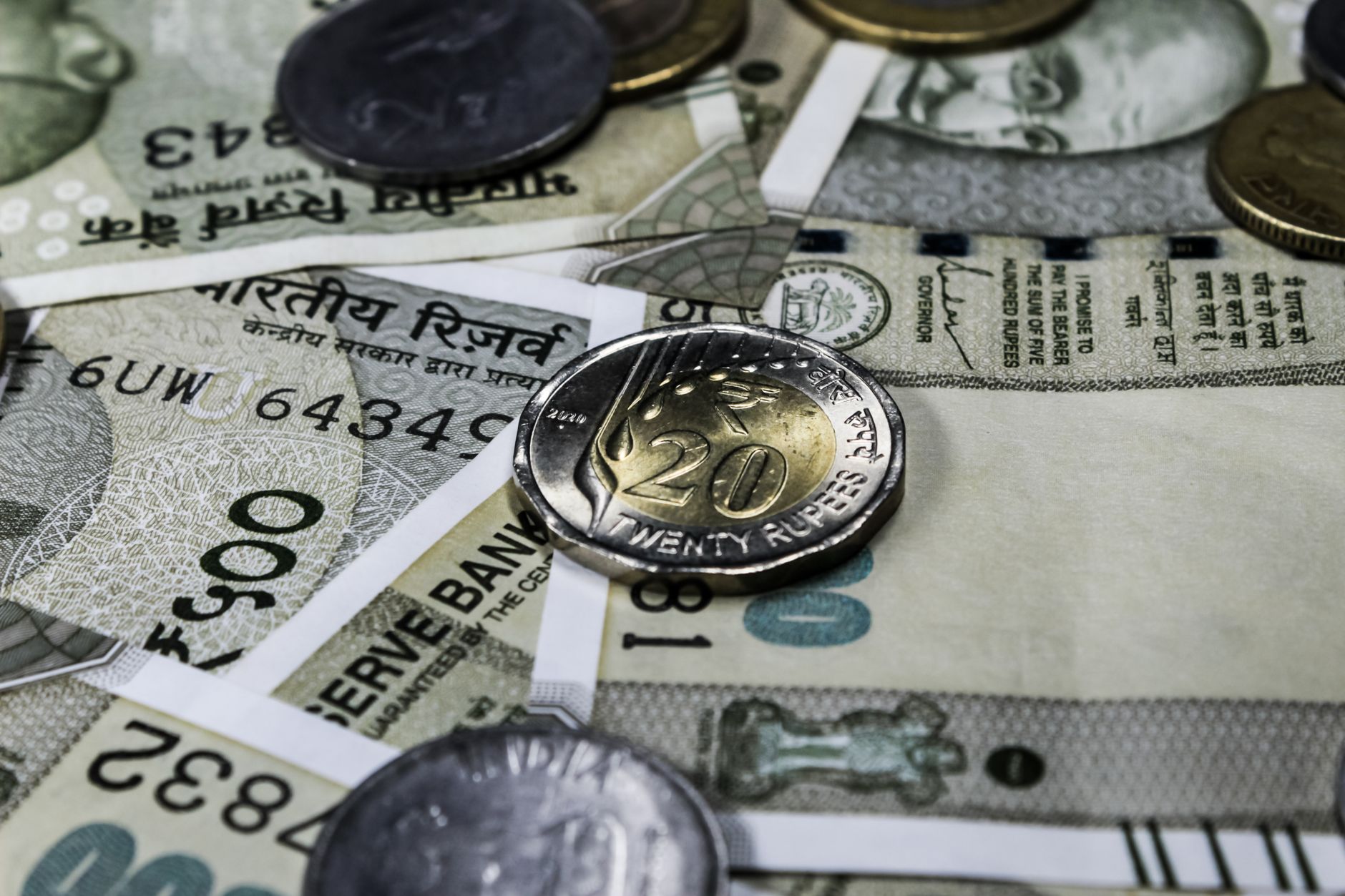
RBI rate hike is a hot topic following the US Fed’s recent move. With interest rates rising, many are wondering how this will impact the Indian economy.
Understanding the US Fed’s Rate Hike
The recent decision by the US Federal Reserve to hike interest rates by 25 basis points has stirred discussions across global financial markets, including India. As the Reserve Bank of India (RBI) evaluates its response, understanding the implications of the Fed’s move is crucial.
The Fed’s rate hike is primarily aimed at controlling inflation, which has been a pressing concern in the United States. By increasing rates, the Fed seeks to curb consumer spending and stabilize prices. This decision has several potential consequences for other economies, particularly emerging markets like India.
- Capital Flows: Higher interest rates in the US may attract global investors, leading to capital outflows from emerging markets.
- Currency Valuation: A stronger US dollar could influence the Indian rupee, making imports more expensive and potentially affecting inflation in India.
- Domestic Borrowing Costs: If the RBI decides to follow suit with a rate hike, borrowing costs for businesses and consumers in India could increase, impacting economic growth.
As the RBI considers its options, the implications of the US Fed’s actions are clear. The RBI rate hike may be necessary to maintain stability in the face of external pressures, but it poses its own set of challenges for the Indian economy.
Impact of US Fed on Global Markets
The recent decision by the US Federal Reserve to increase interest rates by 25 basis points has sent ripples across global markets, prompting speculation about potential responses from other central banks, including the Reserve Bank of India (RBI). As the RBI considers a rate hike, various factors come into play that could shape its decision.
Global markets are often sensitive to the actions of the US Fed due to the interconnectedness of economies. A RBI rate hike could be influenced by the need to maintain currency stability, especially against the backdrop of the rising dollar. When the US raises rates, it typically strengthens the dollar, which can lead to capital outflows from emerging markets like India.
Analysts suggest several implications of the US Fed’s actions:
- Inflationary Pressures: The increase in US rates may lead to heightened inflationary pressures in India, prompting the RBI to act.
- Investment Flows: Higher rates in the US could divert foreign investment away from India, necessitating a response from the RBI.
- Economic Growth: A premature rate hike by the RBI might stifle domestic growth, complicating the central bank’s balancing act.
Ultimately, the RBI’s decision will hinge on a careful assessment of these dynamics and their potential impact on the Indian economy.
RBI’s Historical Rate Decisions
The Reserve Bank of India (RBI) has a long history of adjusting interest rates to manage economic stability and inflation. Over the years, these decisions have significantly impacted various sectors of the Indian economy. A careful examination of RBI’s historical rate decisions reveals a pattern of responding to both domestic and global economic conditions.
In the past, the RBI has typically raised rates in times of rising inflation, aiming to curb excessive price increases. For instance, in 2013, the RBI raised rates multiple times to tackle inflation that had surged beyond acceptable limits. Similarly, the period of 2016-2018 saw several reductions in the repo rate as the RBI sought to stimulate growth in a sluggish economy.
More recently, the RBI’s decision-making has been influenced by global trends, particularly the actions of the US Federal Reserve. The recent RBI rate hike discussions have been prompted by the Fed’s increase of 25 basis points, raising questions about the ripple effects on the Indian economy. Market analysts are watching closely to see if the RBI will align its monetary policy with global trends or take a more independent approach based on domestic economic indicators.
Overall, the RBI’s historical rate decisions highlight its critical role in balancing inflation control and economic growth, a delicate act that is set to continue in the coming months.
What Experts Say About RBI’s Next Move
As the financial world watches closely, experts weigh in on the implications of a potential RBI rate hike following the recent increase by the US Federal Reserve. With inflationary pressures persisting, analysts are divided on whether the Reserve Bank of India should mirror the Fed’s latest decision.
Many economists argue that a rate hike by the RBI could be necessary to curb rising inflation in India. Dr. Anjali Sharma, an economist at a leading financial institution, stated, “If the RBI chooses to increase rates, it would not only align with global trends but also signal a commitment to maintaining price stability.”
Conversely, some experts caution against a premature hike. Mr. Rajiv Gupta, a market strategist, pointed out, “Raising rates too quickly could stifle economic growth and dampen consumer spending, which is vital for recovery.”
Furthermore, the impact on the banking sector is a crucial consideration. Increased rates could lead to higher borrowing costs for consumers and businesses, potentially slowing down investments.
As the October meeting approaches, the RBI faces a challenging decision. Experts agree that any move must be carefully calibrated to balance inflation control and economic growth, making the upcoming RBI rate hike a pivotal moment for India’s monetary policy.
Future of India’s Monetary Policy
The future of India’s monetary policy is poised for significant changes following the recent decision by the US Federal Reserve to hike rates by 25 basis points. As market analysts closely watch the ripple effects of this move, the Reserve Bank of India (RBI) is under pressure to respond appropriately. The possibility of an RBI rate hike has sparked a robust debate among economists and policymakers alike.
There are several factors that the RBI must consider before making its decision:
- Inflation Trends: Rising inflation may compel the RBI to increase interest rates to stabilize prices.
- Global Economic Conditions: The interconnectedness of global markets means that external economic challenges can impact domestic monetary policy.
- Consumer Spending: Higher interest rates could discourage borrowing, which may affect consumer spending and overall economic growth.
- Investment Climate: The RBI must weigh the potential impact of a rate hike on foreign and domestic investment.
As the RBI deliberates on its next move, many question whether an RBI rate hike is indeed the right course of action for India. Balancing growth and inflation will be crucial in determining the future trajectory of the country’s economic landscape.
The recent RBI rate hike has sparked debates among economists regarding its potential impact on inflation and growth. As businesses adjust to the RBI rate hike, consumers may also feel the effects in their borrowing costs.
Photo by Ravi Roshan on Pexels