
air pollution respiratory illness claims have surged, highlighting a critical health crisis. Recent data reveals that children and senior citizens account for a staggering 58% of hospitalizations due to respiratory issues.
Understanding the Impact of Air Pollution
Air pollution has emerged as a significant public health concern, particularly in relation to respiratory illness. Numerous studies have highlighted the alarming statistics surrounding this issue, illustrating how poor air quality can exacerbate existing health conditions and lead to new ailments, especially among vulnerable populations.
Recent data indicates that children and senior citizens are disproportionately affected by the adverse effects of air pollution, accounting for 58% of hospitalisations due to respiratory illnesses. This demographic is especially susceptible because their respiratory systems are either still developing or have weakened with age.
In urban areas, where pollution levels often exceed safe limits, the risk of respiratory illnesses increases dramatically. The pollutants commonly found in the air, such as particulate matter and nitrogen dioxide, can trigger a range of health issues, including:
- Asthma exacerbations – Individuals with asthma may experience more frequent attacks.
- Chronic obstructive pulmonary disease (COPD) – Long-term exposure can worsen symptoms and lead to hospitalisation.
- Lung infections – Pollution can weaken the immune system, making individuals more susceptible to infections.
Understanding the impact of air pollution on respiratory illness is crucial for developing effective public health policies and interventions. By addressing the root causes of pollution, we can work towards safeguarding the health of our communities, particularly those most at risk.
Statistics on Respiratory Illness Claims
Recent statistics reveal a concerning spike in claims related to respiratory illnesses attributed to air pollution. The data indicates that hospitals are experiencing an increase in admissions, particularly among vulnerable populations.
According to a report released by health officials, the number of hospitalizations due to respiratory conditions has risen by 25% over the past year. This surge is alarming, especially considering the impact of air pollution on health.
Key findings from the report include:
- Children and senior citizens: These groups account for 58% of all hospitalizations related to respiratory illnesses.
- Affected conditions: Conditions such as asthma and chronic obstructive pulmonary disease (COPD) have seen the most significant increases in claims.
- Geographical disparities: Urban areas with higher pollution levels report a disproportionately higher number of respiratory illness claims.
The link between air pollution and respiratory illness has become increasingly evident, prompting health experts to call for immediate action. As air quality continues to worsen in many regions, public health initiatives aimed at reducing pollution levels are more important than ever. Addressing the sources of air pollution may not only improve air quality but also significantly reduce the burden of respiratory illnesses in the population.
Who is Most Affected by Air Pollution?
Air pollution poses a significant threat to public health, particularly affecting vulnerable populations. Recent studies have revealed alarming trends in respiratory illness claims linked to air pollution, highlighting the groups that are most at risk.
According to recent data, children and senior citizens account for an overwhelming 58% of hospitalisations due to respiratory issues exacerbated by poor air quality. These demographics are particularly susceptible to the harmful effects of pollutants, which can lead to conditions such as asthma, bronchitis, and other chronic respiratory illnesses.
Factors contributing to this increased vulnerability include:
- Age: Younger children have developing lungs and immune systems, making them more sensitive to air pollution.
- Pre-existing health conditions: Elderly individuals often have pre-existing respiratory issues that can be worsened by exposure to polluted air.
- Environmental exposure: Both groups may spend significant time outdoors, increasing their exposure to harmful airborne pollutants.
As air quality continues to decline in many urban areas, the implications for respiratory health are profound. The increase in respiratory illness claims tied to air pollution underscores the urgent need for policies aimed at improving air quality to protect these vulnerable populations.
Insurance Coverage for Respiratory Issues
As air pollution continues to escalate, the correlation between environmental factors and health has become increasingly evident, particularly concerning respiratory illnesses. Insurance coverage for such conditions is crucial in managing the financial burden that affected individuals face. Many insurance plans now offer specialized coverage for respiratory issues, reflecting a growing recognition of the impact of air pollution on public health.
Insurance providers are responding to the surge in claims related to respiratory illnesses, which have been linked to worsening air quality. Children and senior citizens are particularly vulnerable, comprising a significant portion of hospitalizations due to these conditions. Many policies are adapting to include:
- Extended coverage for respiratory therapies: Patients may require ongoing treatments, such as inhalers and nebulizers, which can be costly without adequate insurance.
- Preventive care services: Plans are increasingly covering routine screenings and vaccinations to help mitigate the risks associated with respiratory illnesses.
- Access to specialists: Enhanced access to pulmonologists and allergy specialists ensures timely intervention for those affected.
With the rise in air pollution respiratory illness claims, the insurance industry is reevaluating its policies to provide better support for those impacted. This shift not only aids individuals but also highlights the urgent need for systemic changes to address the root causes of air pollution.
Preventive Measures for Vulnerable Groups
As air pollution continues to pose significant health risks, particularly for vulnerable groups, it is crucial to implement preventive measures to mitigate the impact of respiratory illnesses. The following strategies can help protect those most at risk:
- Stay Indoors on Poor Air Quality Days: Individuals, especially children and senior citizens, should limit outdoor activities when air pollution levels are high. Staying indoors with air purifiers can reduce exposure to harmful pollutants.
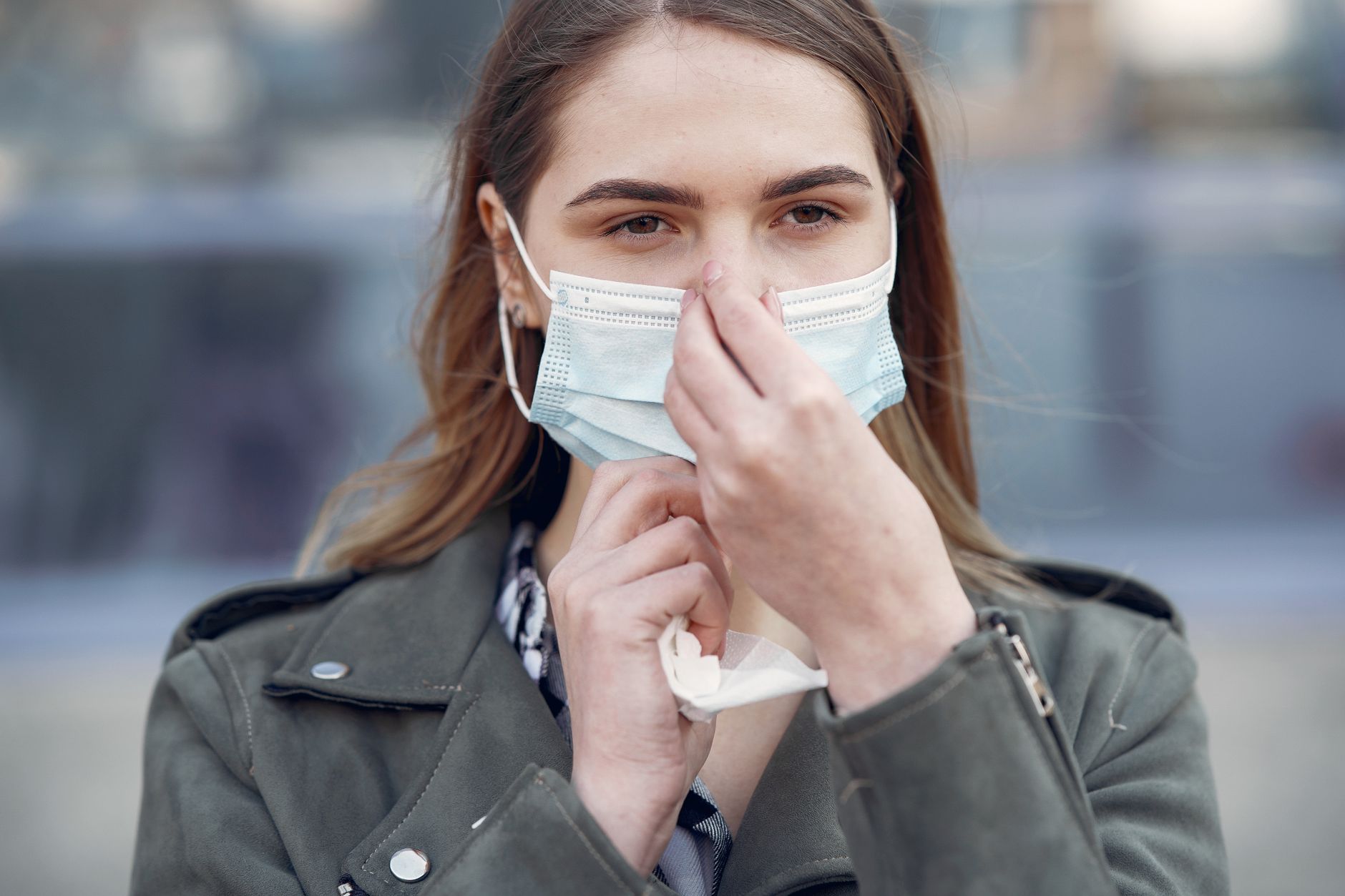
- Utilize Masks: Wearing masks designed to filter out particulate matter can provide an additional layer of protection when going outdoors in polluted areas.
- Maintain Healthy Indoor Air: Ensuring good ventilation and using air purifiers can help keep indoor air quality high. Avoiding smoking indoors and minimizing the use of household chemicals can further reduce indoor air pollution.
- Promote Healthy Lifestyles: Encouraging a balanced diet rich in antioxidants, regular exercise, and maintaining a healthy weight can strengthen the respiratory system, making individuals less susceptible to air pollution-related respiratory illness.
- Advocate for Policy Change: Supporting local and national initiatives aimed at reducing air pollution can lead to long-term improvements in air quality and public health.
By taking these preventive measures, vulnerable groups can better protect themselves from the adverse effects of air pollution and associated respiratory illnesses.
Government Response to Air Quality Concerns
The government has taken significant steps in response to growing concerns over air pollution and its link to respiratory illness. Recent data reveals a troubling spike in claims related to respiratory issues, particularly among children and senior citizens, who represent 58% of hospitalizations due to air quality deterioration.
In light of these alarming statistics, authorities have implemented a series of initiatives aimed at improving air quality. These measures include:
- Strengthening Regulations: New regulations have been introduced to limit emissions from industrial sources and vehicles, with a focus on reducing harmful pollutants that contribute to respiratory problems.
- Public Awareness Campaigns: The government is launching campaigns to educate the public about the dangers of air pollution and encourage proactive measures, such as reducing outdoor activities during high pollution days.
- Investment in Clean Technology: Significant funding is being directed towards research and development of clean energy technologies, which aim to reduce the reliance on fossil fuels and lower overall emissions.
- Collaboration with Health Agencies: The government is working closely with health organizations to monitor air quality and its effects on public health, ensuring that timely interventions are made to safeguard vulnerable populations.
These responses are critical in addressing the pressing issue of air pollution and its association with respiratory illness, ultimately striving to protect the health of the population.
The recent study highlights a concerning trend in the rise of air pollution respiratory illness cases across urban areas. Experts warn that the worsening air quality is directly linked to the spike in air pollution respiratory illness claims.
Photo by Gustavo Fring on Pexels
Where this came from
Higher US Real Rates: The Smart Impact on Markets · Palo Alto Networks earnings show best growth with proven results · Taxi Drivers Tips HMRC: The Right Way to Declare Income