
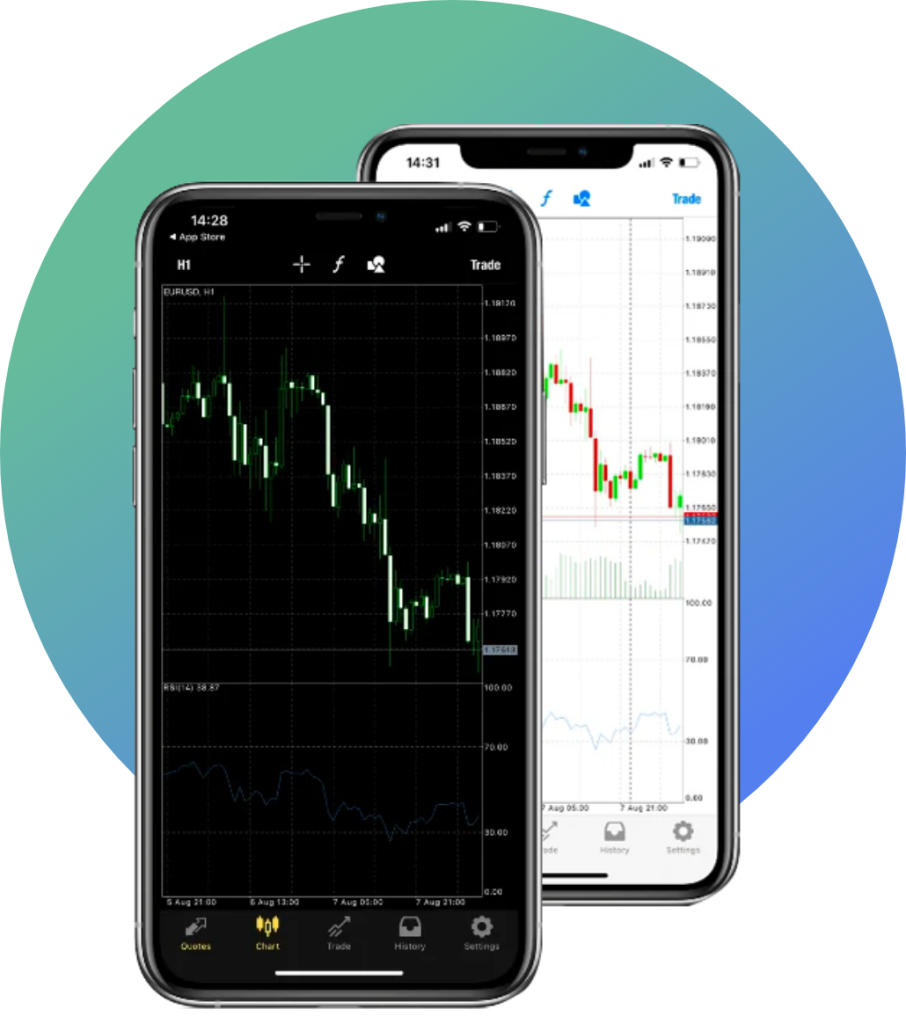
The foreign exchange market, more commonly known as the Forex or FX market, is the largest and most liquid financial market in the world. With a trading volume exceeding $7.5 trillion daily as of 2023, the Forex market dwarfs other financial markets, like stocks and commodities. It offers countless opportunities for individuals, businesses, and institutions to participate in global trading and financial growth.
If you’re wondering why Forex is dominating the global trading stage, you’re not alone. This blog will walk you through the major benefits of engaging with the Forex market, highlighting the potential it has to transform trading and expand economic opportunities globally. Let’s explore how Forex trading can open doors to global trading success.
What is the Forex Market?
Forex trading involves the exchange of one currency for another in an effort to profit from changes in exchange rates. It operates 24 hours a day, 5 days a week, connecting major financial hubs like London, New York, Tokyo, and Sydney. Unlike other markets, the FX market has no centralized location—it functions as a network of banks, brokers, and institutions that trade digitally around the globe.
Currency pair trading is the foundation of Forex. For example, investors trade popular pairs like EUR/USD (Euro to US Dollar) or GBP/JPY (British Pound to Japanese Yen), speculating on how their values will fluctuate relative to each other.
Forex trading has gained massive popularity for its accessibility and unique advantages, which we’ll break down further below.
Benefits of the Forex Market for Traders
1. Unmatched Market Accessibility
One of the standout features of the Forex market is its accessibility. Unlike other markets that require hefty investments to begin, Forex trading platforms allow individuals to start with relatively small capital. Micro and mini accounts attract traders with different levels of experience.
Additionally, trading takes place entirely online. Platforms like MetaTrader 4 (MT4), MetaTrader 5 (MT5), and others provide tools that empower traders to participate from anywhere in the world.
The availability of demo trading accounts makes it even easier for beginners to learn and practice their trading strategies without risking real money.
2. 24/5 Trading Opportunities
While stock markets operate within strict business hours, the Forex market is open 24 hours a day, from Monday to Friday. This extended trading window allows participants to trade according to their own schedules. Whether you’re a morning person or a night owl, there’s an active market somewhere in the world.
For example:
The Asian trading session begins with Tokyo at 12 AM GMT.
The European session starts with London at 8 AM GMT.
The American session kicks off in New York at 1 PM GMT.
This continuous cycle gives traders the flexibility to engage with the market across different time zones, making it convenient for part-time traders or professionals with busy schedules.
3. High Liquidity Ensures Efficient Trading
With trillions of dollars traded daily, the Forex market is incredibly liquid. Liquidity refers to the ease with which assets can be bought or sold without significantly affecting their prices. High liquidity results in tighter spreads (the difference between the buying and selling price) and reduced transaction costs for traders.
For instance, major currency pairs like EUR/USD and USD/JPY are highly liquid, enabling traders to enter and exit positions seamlessly. Even during volatile market conditions, Forex maintains its position as a highly efficient market.
4. Leverage to Maximize Opportunities
Leverage is a powerful tool in Forex trading that allows you to trade with a larger amount of money than you actually invest. For example, with 1:100 leverage, a trader can control a position of $10,000 with just $100 of their own capital.
While leveraging can magnify potential gains, it’s essential to use it cautiously, as it comes with higher risk. Managed effectively, leverage can offer incredible opportunities for small-scale investors to compete with larger market participants.
5. Currencies Reflect Global Events
The Forex market is directly linked to world events, including economic indicators, political developments, and natural disasters. For traders, this provides a constant influx of opportunities to make informed decisions.
For example:
Positive GDP growth in the United States may strengthen the US Dollar (USD).
Rising oil prices often boost currencies like the Canadian Dollar (CAD), as Canada is a major oil-exporting nation.
Successful Forex traders stay informed about global trends to anticipate shifts in exchange rates, allowing them to profit from market volatility. This interconnectedness makes Forex trading an ideal platform for those who are globally minded.
6. Minimal Entry Barriers
Forex trading doesn’t require extensive qualifications or hefty investments to get started. All that’s needed is an internet connection, a reliable trading platform, and some initial capital. Additionally, educational resources are widely available to help beginners gain knowledge and confidence in their trading strategies.
From e-books and video tutorials to real-time webinars, Forex education has never been more accessible. Many brokers also provide market analysis and support tools to guide traders along their financial journeys.
7. Diverse Trading Strategies
Forex offers a wide range of trading strategies to suit different trader profiles. Whether you prefer short-term tactics or long-term investments, the market accommodates your approach.
Popular Forex trading strategies include:
Day Trading: Closing all positions before the trading day ends to avoid overnight risks.
Swing Trading: Holding positions for several days to capitalize on short-term market trends.
Scalping: Making multiple small trades within a day to profit from minor price movements.
This flexibility allows traders to adopt methods that align with their goals, risk tolerance, and schedule.
8. Exclusive Deals for Traders
Many Forex platforms offer attractive incentives, including bonuses for new accounts, reduced trading fees, and loyalty rewards. These deals make it even more appealing to enter the market while maximizing returns.
Furthermore, some brokers provide advanced features like algorithmic trading and copy trading, where beginners can follow and replicate the strategies of experienced traders.
Why Forex Matters in Global Trading
Forex is not just a market for individual traders—it plays an integral role in global trade and economics. Businesses, multinational enterprises, and even governments rely on the Forex market for currency exchange.
For example:
A US-based company purchasing materials from Japan needs to exchange USD for JPY.
Governments manipulate currency reserves to stabilize an economy in times of crisis.
Its significance extends beyond mere profits; it impacts international businesses and global economies.