
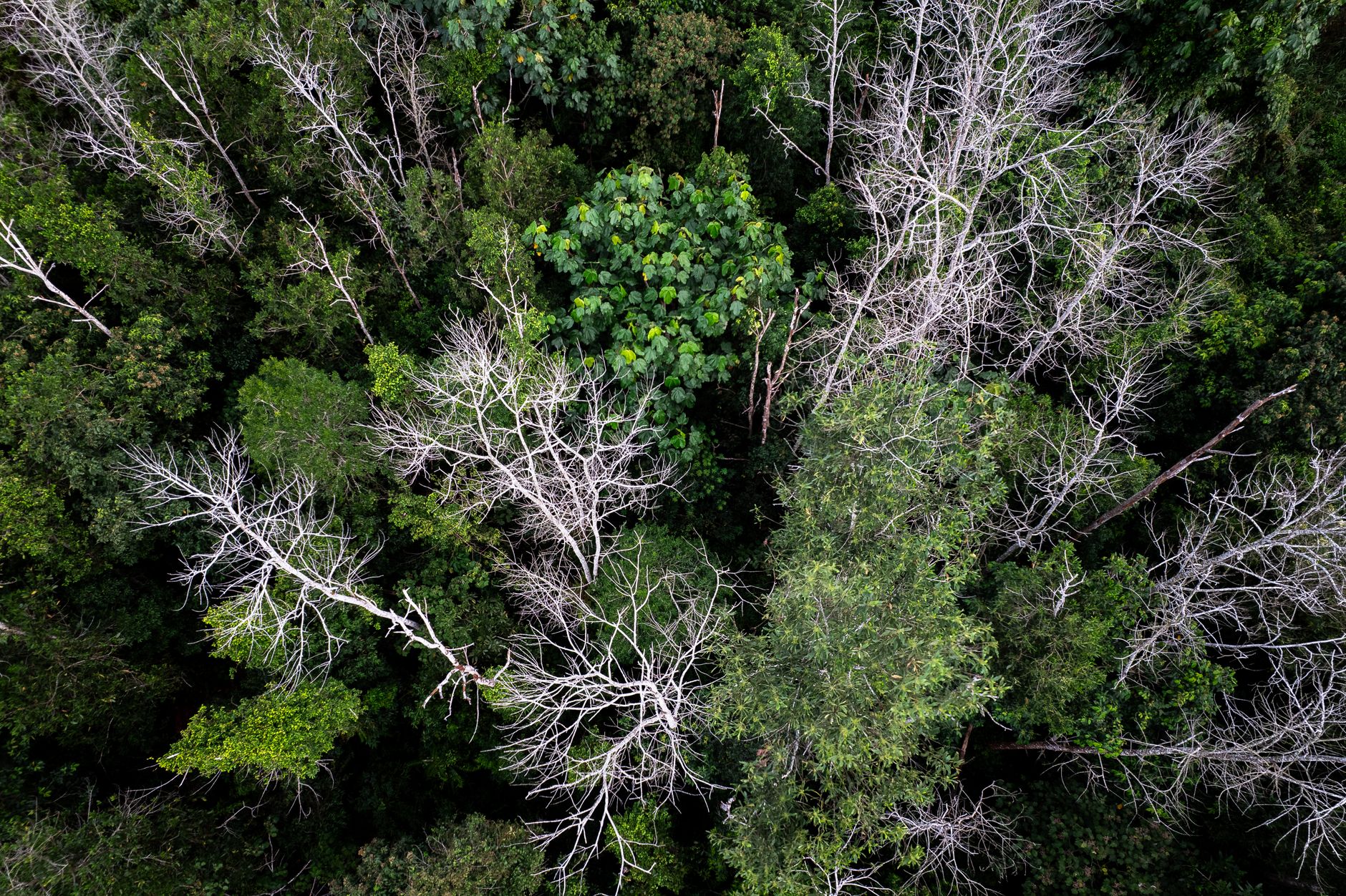
Amazon deforestation record low is a significant achievement for Brazil, showcasing a positive trend in environmental conservation amidst political challenges.
Understanding the Recent Deforestation Trends
The recent trends in Amazon deforestation have sparked a mixture of optimism and caution among environmentalists and policymakers alike. In 2023, the Amazon deforestation record low has been reported, marking a significant decline in the rate of forest loss compared to previous years. This reduction can be attributed to a combination of stricter enforcement of environmental regulations and increased awareness of the ecological importance of the rainforest.
Experts highlight several key factors contributing to this positive trend:
- Government Policies: The Brazilian government’s renewed commitment to environmental protection has played a crucial role in curbing illegal logging and land clearing.
- Technological Advances: Enhanced satellite monitoring systems have improved the ability to detect and respond to illegal activities in real time.
- Community Engagement: Local communities and indigenous groups have actively participated in conservation efforts, further protecting their ancestral lands.
However, while the drop in deforestation rates is a cause for celebration, environmentalists caution against complacency. The political landscape in Brazil remains tumultuous, and the upcoming elections could potentially alter the course of these positive developments. It is essential to remain vigilant and continue supporting sustainable practices to ensure that the Amazon rainforest remains protected for future generations.
Impact of Politics on Environmental Policies
The interplay of politics and environmental policies significantly shapes the fate of the Amazon rainforest. In recent years, Brazil has seen a notable shift in its approach to deforestation, with reports indicating that Amazon deforestation is at a record low. This change is largely attributed to the political landscape, particularly the leadership that prioritizes environmental conservation.
Under previous administrations, lax enforcement of environmental regulations led to rampant deforestation, driven by agricultural expansion and logging interests. However, the current government has taken decisive steps to reverse this trend, promoting sustainable practices and strengthening enforcement against illegal activities.
Key factors influencing these environmental policies include:
- International Pressure: Global calls for climate action have prompted Brazil to address its deforestation crisis more aggressively.
- Indigenous Rights: Empowering Indigenous communities has proven effective in protecting vast areas of the rainforest.
- Economic Incentives: Initiatives that reward sustainable land use are gaining traction, encouraging farmers to adopt eco-friendly practices.
While the record low in Amazon deforestation is a positive development, the political commitment to maintaining and enhancing these policies remains crucial for the future health of this vital ecosystem.
Amazon Deforestation Record Low Explained
The recent announcement regarding the Amazon deforestation record low has sparked a mix of reactions among environmentalists, policymakers, and the public. This milestone, attributed to a combination of stricter enforcement of environmental laws and increased monitoring, indicates a significant reduction in tree loss compared to previous years.
In 2022, deforestation rates fell by nearly 20%, reflecting a concerted effort to combat illegal logging and land clearing. However, while these statistics may seem encouraging, they also raise questions about the sustainability of such progress. Experts caution that temporary improvements should not overshadow the underlying issues that continue to threaten the Amazon rainforest.
Many believe that the political climate plays a crucial role in these trends. The Brazilian government has implemented several initiatives aimed at protecting the rainforest, but ongoing political instability poses a risk to these efforts. Key factors influencing future deforestation rates include:
- The effectiveness of law enforcement
- Community engagement in conservation
- International pressure and support for sustainable practices
While the Amazon deforestation record low may be a cause for cautious optimism, it is essential to remain vigilant and committed to long-term solutions to preserve this vital ecosystem.
What This Means for Brazil’s Future
The recent announcement that Amazon deforestation is at a record low brings both optimism and caution for Brazil’s future. While this achievement is significant, it is essential to consider the broader implications for the environment, economy, and society.
First, the reduction in deforestation rates is a positive signal for biodiversity. With fewer trees being cut down, ecosystems have a better chance to recover and thrive, which is vital for maintaining wildlife habitats. However, the challenge remains to sustain these improvements over the long term.
Additionally, Brazil’s economy could benefit from this trend. A healthy Amazon can bolster eco-tourism and sustainable agriculture, providing jobs and income for local communities. Yet, the government must prioritize policies that protect the rainforest while supporting economic growth.
Furthermore, the political landscape plays a crucial role. The outcome of upcoming elections may influence environmental policies significantly. Voters must consider the implications of their choices, as a shift in leadership could either support continued progress or reverse gains made in addressing deforestation.
In conclusion, while the Amazon deforestation record low is a reason to celebrate, it is also a wake-up call for Brazil to remain vigilant in its conservation efforts and political commitments.
Comparative Analysis with Previous Years
The recent statistics indicating that Amazon deforestation is at a record low have prompted a comparative analysis with previous years. Understanding these trends is crucial for assessing the effectiveness of environmental policies and conservation efforts.
In 2021, Brazil experienced a sharp rise in deforestation, with rates climbing over 13% compared to the previous year. However, recent data shows a significant decline, with deforestation rates dropping nearly 15% in 2022. This marks the lowest level of deforestation since 2018, a noteworthy achievement amid ongoing challenges.
To put this into perspective, here are some key figures from the last five years:
- 2019: Deforestation increased by 34% compared to 2018.
- 2020: Rates remained high, showing only a slight decrease of 2%.
- 2021: A staggering 13% increase, raising alarms among environmentalists.
- 2022: A remarkable turnaround with a 15% decline.
This comparative analysis highlights the fluctuations in deforestation rates in the Amazon, emphasizing that while current figures are promising, sustained efforts are essential to prevent future increases and ensure long-term environmental health.
Community Reactions to Deforestation Changes
The news of the Amazon deforestation record low has sparked diverse reactions from various communities, environmentalists, and local residents. Many are hesitant to fully celebrate the drop in deforestation rates, citing concerns over the long-term sustainability of these achievements.
Local indigenous groups express cautious optimism, feeling that while the statistics are encouraging, they do not fully reflect the ongoing threats to their habitats. As one spokesperson noted, “We need to ensure that these gains are not temporary. Our land is still at risk.”
Environmental activists are urging the public to remain vigilant. They emphasize that the reduction in deforestation should not lead to complacency. “We must continue to advocate for stronger protections for the Amazon,” stated a prominent environmentalist, highlighting the need for systemic changes in policy and enforcement.
On the other hand, some agricultural sectors view the statistics as a potential opportunity for development, suggesting that a balance can be struck between conservation and economic growth. However, critics argue that this perspective often disregards the ecological importance of the rainforest.
- Indigenous groups call for sustained protection.
- Activists warn against complacency.
- Agricultural sectors see potential for development.
Global Implications of Brazil’s Environmental Policies
The recent announcement regarding the Amazon deforestation record low has sparked discussions about its global implications. Brazil’s environmental policies, especially under the new administration, are being closely watched by countries around the world.
As the Amazon rainforest plays a crucial role in regulating the Earth’s climate, any changes in deforestation rates can have far-reaching effects. The reduction in deforestation not only contributes to biodiversity preservation but also enhances carbon sequestration efforts, vital for combating climate change.
Experts suggest that Brazil’s commitment to stricter environmental regulations could set a precedent for other nations facing similar challenges. Some key implications include:
- International Relations: Brazil may strengthen its partnerships with countries focused on sustainability, potentially leading to collaborative efforts in climate action.
- Economic Opportunities: A healthier Amazon could boost ecotourism and sustainable agriculture, providing economic benefits to local communities.
- Global Awareness: Increased attention on Brazil’s environmental policies may inspire other nations to adopt more stringent measures to protect their own ecosystems.
While the Amazon deforestation record low is a cause for cautious optimism, it also raises questions about the sustainability of these trends in the long run.
The recent announcement of the Amazon deforestation record low has sparked a debate among environmentalists and policymakers. While some argue that it is a significant achievement, others caution that we must remain vigilant despite the Amazon deforestation record low.
Photo by Pok Rie on Pexels
Sources
Related reading
Snabbit revenue report: Worst loss with proven growth · EPFO WhatsApp Channel: Easy Access to Your EPF Services · Kimchi Premium: The Real Impact on Bitcoin Prices