
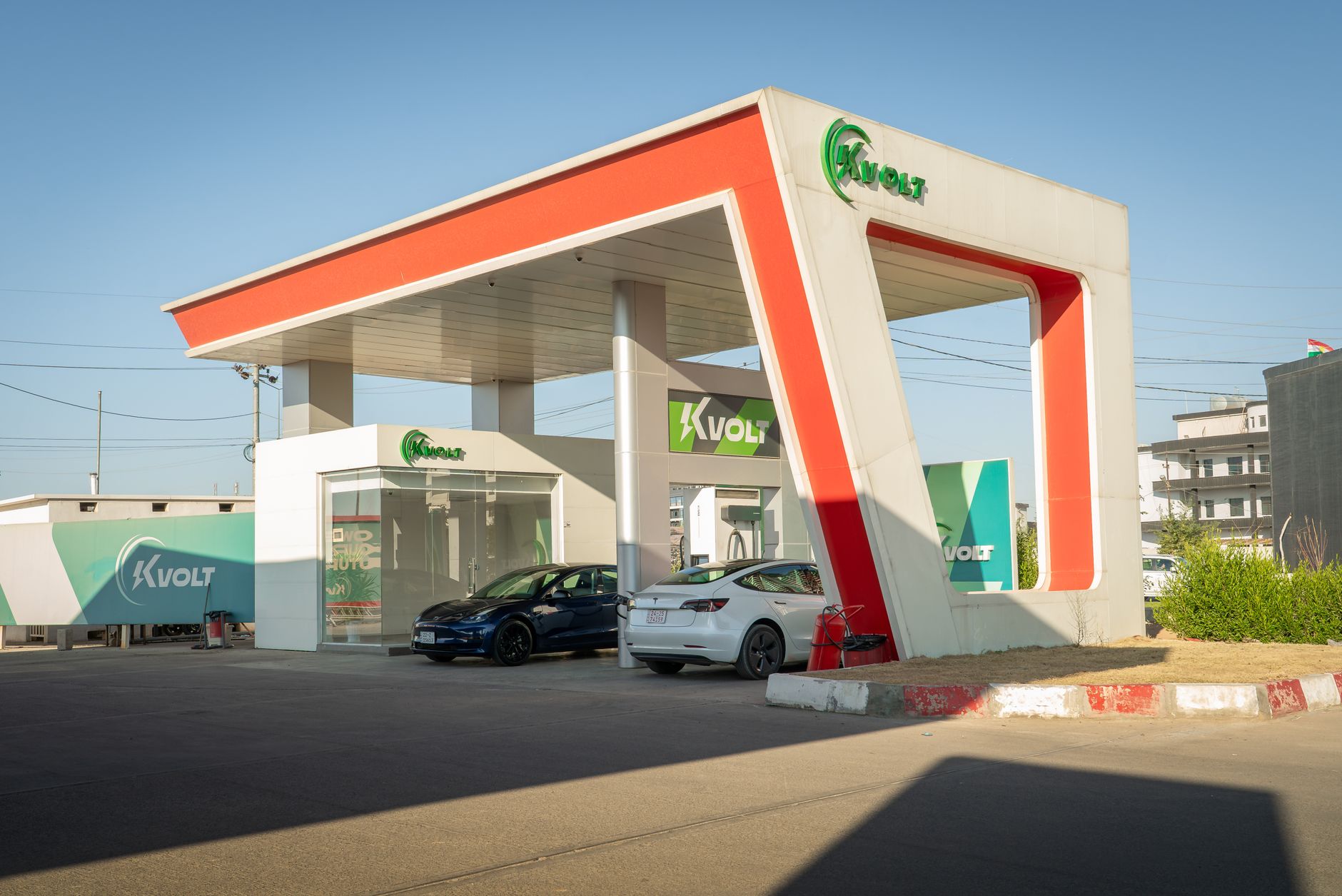
EV brands 2026 are making headlines, with Tata leading the pack and Mahindra rising to second place. This article explores the top brands shaping the electric vehicle landscape.
Overview of EV Brands in 2026
As we approach 2026, the electric vehicle (EV) market is rapidly evolving, with several brands solidifying their positions as leaders in the industry. The surge in EV adoption has prompted both established automotive manufacturers and new entrants to innovate and expand their offerings. In this dynamic landscape, certain brands are emerging as the most reliable and sought-after choices among consumers.
According to recent reports, the top EV brands in 2026 are not only focused on expanding their range but also on improving sustainability and technology. The following brands have made significant strides:
- Tata: Currently leading the market, Tata has gained a reputation for its affordable and efficient EV models, making them a favorite among budget-conscious consumers.
- Mahindra: With a notable rise to second place, Mahindra is recognized for its innovation and commitment to eco-friendly technologies.
- Tesla: Continuing to hold a strong presence, Tesla remains synonymous with electric vehicles due to its cutting-edge technology and extensive supercharger network.
- Ford: Ford’s investment in EV technology has paid off, making its electric models increasingly popular in the competitive landscape.
Overall, the EV brands in 2026 are setting new standards in performance, affordability, and sustainability, ensuring a bright future for electric mobility.
Tata Motors: The Leading EV Brand
Tata Motors has emerged as the leading EV brand in 2026, showcasing its commitment to sustainable mobility and technological innovation. With an extensive lineup of electric vehicles, Tata has managed to capture the attention of consumers and industry experts alike.
Key factors contributing to Tata Motors’ success include:
- Innovative Technology: Tata continues to invest in cutting-edge battery technology and efficient electric drivetrains, enhancing the overall performance of its vehicles.
- Diverse Offerings: The brand offers a range of electric models, catering to various segments from compact cars to SUVs, ensuring that there is something for every consumer.
- Affordability: Competitive pricing strategies have made Tata’s electric vehicles accessible to a broader audience, significantly boosting adoption rates.
Additionally, Tata Motors has focused on establishing a robust charging infrastructure, further encouraging potential buyers to consider electric options. The brand’s proactive approach to sustainability and customer satisfaction has positioned it as a trusted choice among EV brands in 2026.
As the electric vehicle market continues to grow, Tata Motors is expected to maintain its leadership position, proving itself as a reliable and innovative player in the industry.
Mahindra’s Rise in the EV Market
Mahindra’s rise in the EV market has been remarkable, positioning itself as a strong contender among the leading EV brands in 2026. The company has strategically focused on innovation and sustainability, which has resonated well with consumers looking for eco-friendly transportation options.
In recent months, Mahindra has introduced several electric vehicle models that showcase advanced technology and design. These vehicles not only offer impressive range and performance but also come equipped with smart features that enhance the driving experience. As the demand for electric vehicles continues to grow, Mahindra has made significant investments in expanding its EV infrastructure, including charging stations and service networks.
Key factors contributing to Mahindra’s success in the EV market include:
- Affordable Pricing: Mahindra has managed to keep its EV offerings competitively priced, making them accessible to a broader audience.
- Diverse Model Range: The brand offers a variety of electric vehicles, catering to different consumer needs and preferences.
- Strong Brand Reputation: Mahindra has built trust among consumers over the years, bolstering its position as one of the best EV brands in 2026.
As the competition intensifies, Mahindra’s commitment to innovation and customer satisfaction will be crucial in maintaining its upward trajectory in the EV market.
Key Features of Top EV Brands
As the electric vehicle (EV) market continues to evolve, several brands have distinguished themselves by offering unique features that cater to consumers’ preferences in 2026. Understanding the key characteristics of these top EV brands is essential for making informed decisions.
- Advanced Battery Technology: Leading EV brands like Tata Motors and Mahindra are investing heavily in cutting-edge battery technology, providing longer range and faster charging capabilities.
- Smart Connectivity: Many brands are incorporating smart technology, allowing drivers to connect their smartphones for navigation, music, and vehicle diagnostics, enhancing the overall driving experience.
- Sustainability Initiatives: Top EV brands are committed to sustainability, focusing on eco-friendly manufacturing processes and recyclable materials, appealing to environmentally conscious consumers.
- Safety Features: The best EVs in 2026 are being equipped with advanced safety features such as automatic emergency braking, lane-keeping assist, and adaptive cruise control, ensuring driver and passenger safety.
- Competitive Pricing: With the rise of more players in the EV market, brands are offering competitive pricing and attractive financing options, making electric vehicles more accessible to a broader audience.
As we look ahead, these key features will play a significant role in determining the success of various EV brands in 2026 and beyond.
Consumer Preferences in Electric Vehicles
As the electric vehicle (EV) market continues to expand, consumer preferences are shifting significantly, shaping the landscape for EV brands in 2026. Recent studies reveal that buyers are increasingly prioritizing factors such as sustainability, technology integration, and overall value for money when selecting their ideal electric vehicle.
Among the most notable trends influencing consumer choices are:
- Sustainability: Many consumers prefer brands that showcase a commitment to environmental responsibilities, including the use of recycled materials and sustainable manufacturing practices.
- Technology: Advanced features such as autonomous driving capabilities, smart connectivity, and efficient battery management systems are becoming essential for modern EV buyers.
- Cost-effectiveness: With the rising initial costs of electric vehicles, consumers are increasingly looking for options that offer long-term savings through lower maintenance and energy costs.
- Brand reputation: Established brands with proven track records are often favored, as reliability and customer service remain crucial factors in the purchasing decision.
In this dynamic landscape, EV brands in 2026 are focusing on aligning their offerings with these evolving consumer preferences to ensure they capture and retain market share.
Future Trends for EV Brands
As we look towards 2026, several trends are emerging that will shape the landscape of EV brands. The competition among manufacturers is intensifying, pushing innovation and customer satisfaction to the forefront. Key future trends for EV brands include:
- Enhanced Battery Technology: Companies are investing heavily in developing batteries that offer longer ranges and faster charging times, which will be critical for consumer adoption.
- Autonomous Driving Features: Many EV brands are integrating advanced driver-assistance systems, making vehicles safer and more appealing to tech-savvy consumers.
- Sustainable Manufacturing: A growing emphasis on eco-friendly production methods is influencing brand loyalty, with consumers preferring companies that prioritize sustainability.
- Expanded Charging Infrastructure: To alleviate range anxiety, EV brands are collaborating with charging networks to enhance accessibility and convenience for users.
- Smart Features and Connectivity: The integration of smart technology into EVs is becoming the norm, with features like vehicle-to-grid technology gaining traction.
As these trends unfold, the landscape of EV brands in 2026 will likely reflect a mix of established leaders and emerging players, each vying for consumer attention with proven choices that meet evolving demands.
As consumers look for reliable options, the landscape of EV brands 2026 is expected to feature both established names and innovative newcomers. It’s crucial to evaluate the performance and reputation of these EV brands 2026 before making a purchase decision.
Photo by ammar abbas on Pexels