
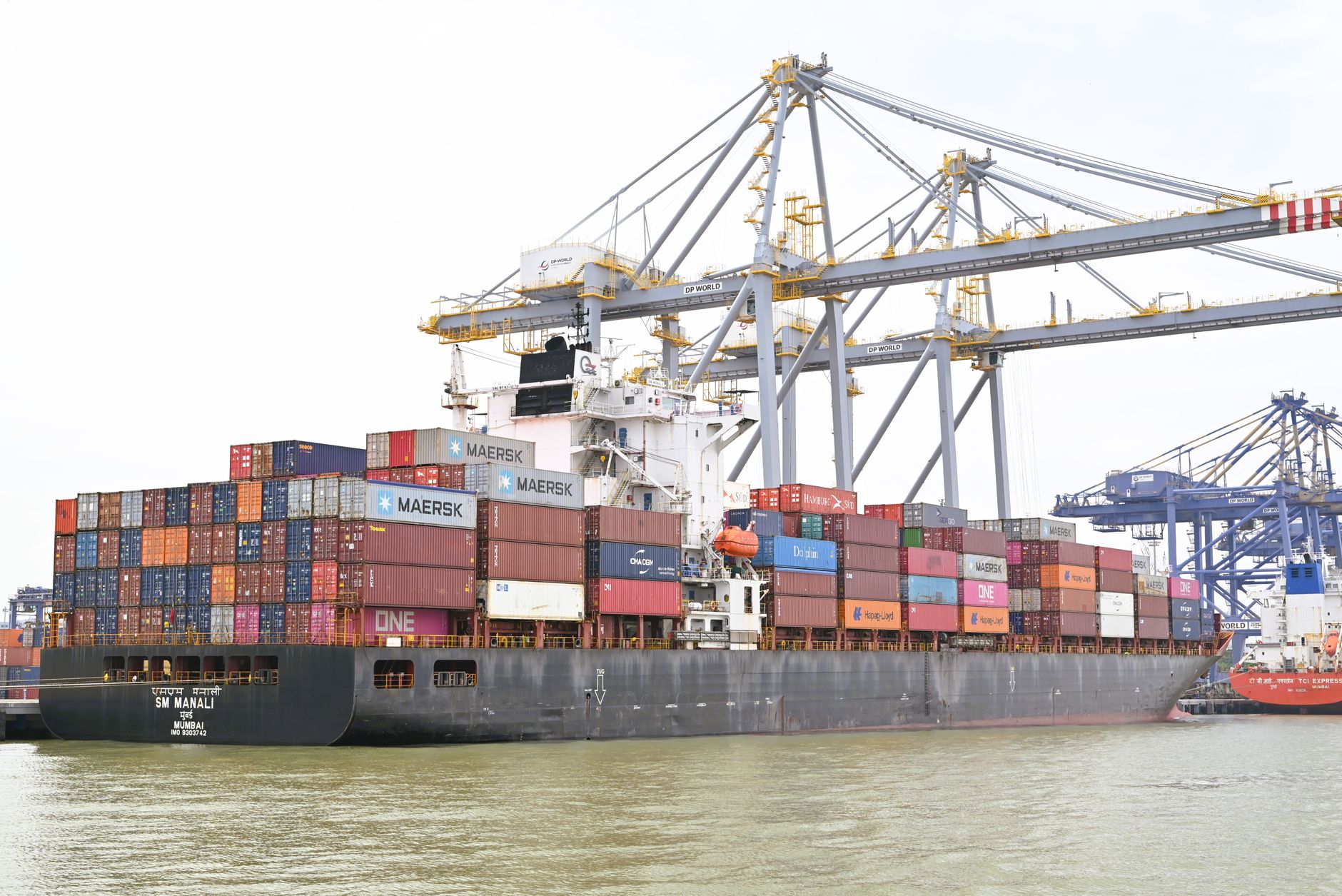
India export growth has achieved an impressive milestone, recording nearly 90 billion dollars in October, as announced by Commerce Minister Piyush Goyal.
Overview of India’s export performance
India’s export growth has reached remarkable heights, culminating in an all-time high of nearly 90 billion dollars in October, as reported by Commerce Minister Piyush Goyal. This significant milestone underscores the resilience and adaptability of Indian exporters, who have successfully navigated various global challenges to expand their market reach.
The surge in exports can be attributed to several key factors:
- Diversification of Markets: Indian exporters have increasingly targeted new markets, reducing dependency on traditional trading partners.
- Government Support: Initiatives like the Production-Linked Incentive (PLI) scheme have incentivized manufacturing and boosted export potential across various sectors.
- Technological Advancements: The adoption of innovative technologies has enhanced productivity and streamlined supply chains, enabling faster delivery and better quality products.
- Trade Agreements: Strengthening bilateral trade agreements has opened doors to new opportunities, allowing Indian goods to penetrate previously inaccessible markets.
These strategies have not only contributed to India’s export growth but have also positioned the nation as a formidable player in the global market. As India continues to build on this momentum, the focus will remain on sustaining this performance and exploring new avenues for expansion, showcasing the potential for future success in international trade.
Key factors driving India export growth
The recent surge in India’s export growth can be attributed to several key factors that have collectively enhanced the country’s position in the global market. These elements not only reflect the resilience of Indian exporters but also demonstrate the effectiveness of strategic initiatives implemented by the government and industry stakeholders.
- Government Initiatives: The Indian government has introduced numerous policies and incentives aimed at boosting exports. Programs such as the Production Linked Incentive (PLI) scheme have been pivotal in encouraging manufacturing in various sectors.
- Diverse Product Range: India has diversified its export portfolio, moving beyond traditional goods to include high-value products like pharmaceuticals, electronics, and agricultural products. This diversification has opened new markets and opportunities for growth.
- Enhanced Trade Relations: Strategic partnerships and trade agreements with countries around the world have facilitated smoother trade channels, making it easier for Indian products to reach international markets.
- Technological Advancements: The adoption of technology in the supply chain and logistics has improved efficiency, reducing costs and delivery times, which are critical for maintaining competitiveness in global trade.
- Skilled Workforce: A young and skilled workforce has bolstered the manufacturing sector, providing a strong foundation for sustained growth in exports.
These factors are instrumental in driving India export growth, allowing the country to achieve record levels of exports and compete effectively on the global stage.
Challenges faced by exporters
Despite the impressive achievements in export growth, Indian exporters face several challenges that can hinder their success. These obstacles must be navigated carefully to maintain the momentum of India’s export growth.
- Trade Barriers: Tariffs and non-tariff barriers imposed by importing countries can restrict market access for Indian goods, making it difficult for exporters to compete effectively.
- Logistical Issues: Inefficiencies in the supply chain and transportation system can lead to delays and increased costs, which negatively impact the overall competitiveness of Indian exports.
- Regulatory Hurdles: Complex regulatory frameworks and compliance requirements can create confusion and increase the administrative burden on exporters, diverting attention from core business activities.
- Foreign Exchange Fluctuations: Volatile currency exchange rates can affect pricing strategies, making it challenging for exporters to maintain profitability in international markets.
- Market Knowledge: Limited understanding of foreign markets, consumer preferences, and cultural nuances can lead to suboptimal marketing strategies and missed opportunities for growth.
To overcome these challenges, exporters must adopt innovative strategies and seek collaboration with government bodies and trade organizations. By addressing these issues effectively, India can continue its journey towards sustained export growth.
Future outlook for Indian exports
The future outlook for Indian exports appears promising, with several key strategies set to enhance India export growth in the coming years. As the nation strives to establish itself as a global manufacturing hub, the government is focusing on improving infrastructure, simplifying regulations, and promoting technology adoption among exporters.
One of the most significant initiatives is the Production-Linked Incentive (PLI) scheme, which aims to boost domestic manufacturing and attract foreign investment. This scheme is expected to create a conducive environment for exporters by encouraging the production of high-demand goods.
Furthermore, the government is actively seeking to diversify export markets, reducing dependency on traditional partners. By strengthening trade relations with countries in Africa, Latin America, and Southeast Asia, India aims to tap into new markets and opportunities.
Investment in digital technologies is also crucial, as e-commerce platforms and online trade facilitation can make it easier for Indian exporters to reach global customers. This shift towards digitization will likely play a vital role in enhancing the competitiveness of Indian products in international markets.
In summary, the future of Indian exports looks bright, driven by government initiatives and a focus on innovation. With a strategic approach, India export growth can achieve new heights, reinforcing its position in the global economy.
Government initiatives to boost trade
The Indian government has implemented several initiatives aimed at boosting trade and enhancing India export growth, which have contributed significantly to the country’s record export figures. These initiatives focus on creating a more conducive environment for exporters and promoting global competitiveness.
One of the key programs is the Production-Linked Incentive (PLI) scheme, which incentivizes manufacturing in sectors such as electronics, textiles, and pharmaceuticals. By offering financial benefits, the government encourages companies to increase production and exports, thereby directly impacting India’s export growth.
Additionally, the Foreign Trade Policy (FTP) has been revised to simplify procedures and enhance the ease of doing business. This includes measures such as:
- Streamlining documentation requirements
- Implementing faster customs clearance processes
- Offering duty exemptions on imported inputs for export-oriented units
Furthermore, the government is focusing on market diversification by promoting Indian products in new markets through trade agreements and participation in international fairs. Such efforts aim to reduce dependence on traditional markets and open up new avenues for exporters.
Through these initiatives, the government not only aims to overcome existing challenges but also sets the stage for sustained India export growth in the coming years.
To achieve sustainable India export growth, businesses must focus on enhancing their supply chain efficiencies. Additionally, leveraging technology can significantly contribute to overall India export growth by streamlining processes and reducing costs.
Photo by Ankittt Bhattacharjee on Pexels
References
You might also like
NVIDIA shareholder support: Why Leo KoGuan backs Jensen Huang · Sensex drops: Is this the worst market trend for investors? · Nvidia executive succession: 3 contenders poised for change