
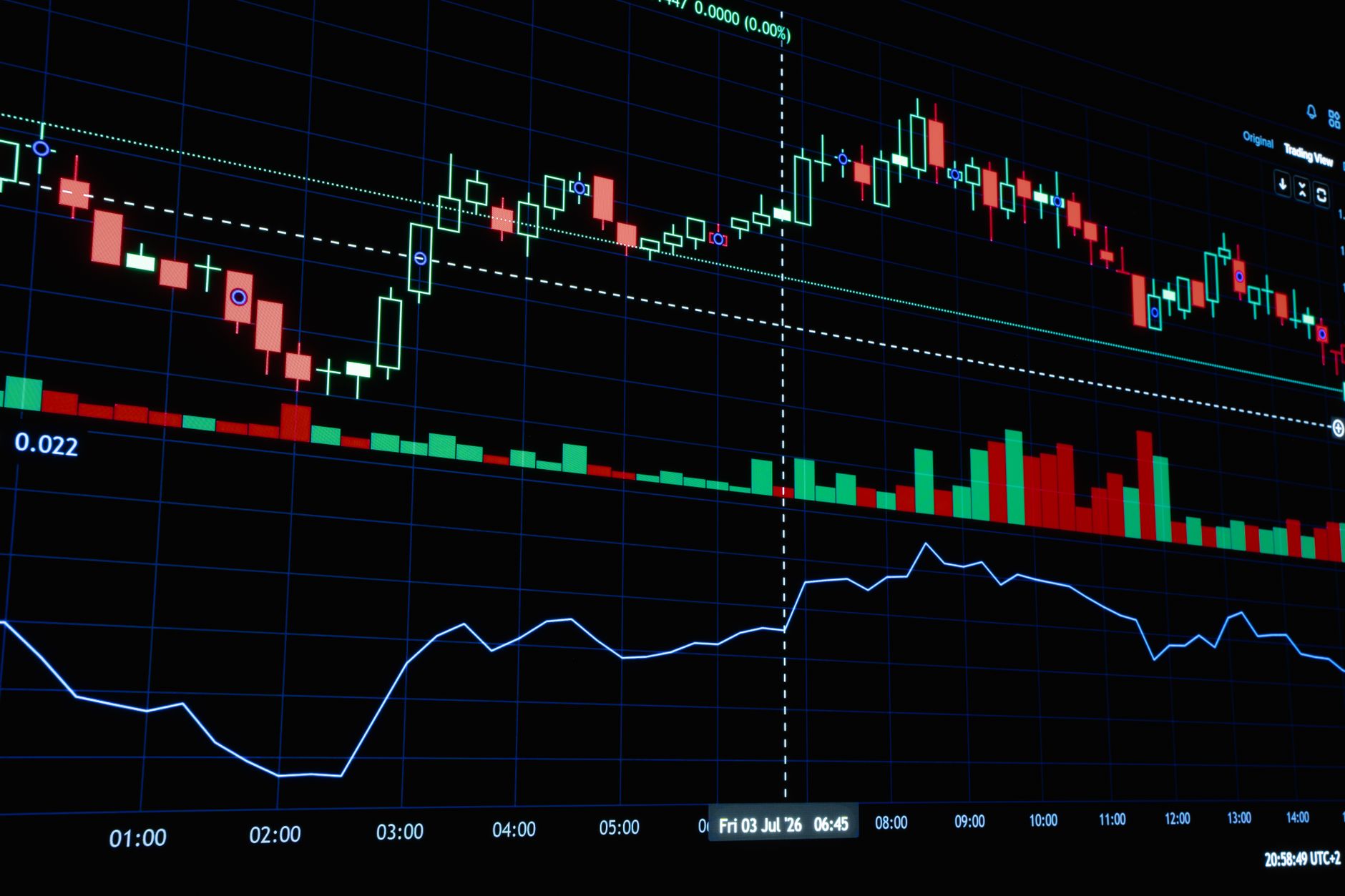
Natural Gas Price Forecast indicates a notable decline as natural gas drops to start the week, raising concerns among investors and analysts.
Current Trends in Natural Gas Prices
In recent days, the natural gas market has experienced significant fluctuations, leading to a notable decline in prices. Analysts attribute this drop to a combination of seasonal demand changes and shifts in supply dynamics. As temperatures begin to cool, the demand for natural gas typically increases; however, this year, forecasts indicate a milder fall season, which has dampened expectations.
Several factors are contributing to the current trends in natural gas prices:
- Weather Patterns: Mild weather forecasts have led to reduced heating demands in many regions.
- Increased Production: A surge in domestic production levels has outpaced consumption, further pressuring prices.
- Global Market Influences: International supply chain issues and competition from alternative energy sources are affecting local pricing.
The natural gas price forecast remains uncertain as traders and investors navigate these challenges. With the potential for price recovery dependent on weather changes and production adjustments, market participants are advised to stay vigilant in their assessments. If trends continue, this could signify the worst drop in natural gas prices we’ve seen this week.
Factors Influencing Natural Gas Market
The recent fluctuations in the natural gas market can be attributed to several key factors that are shaping the price landscape. Understanding these influences is essential for stakeholders and consumers alike.
- Weather Conditions: Seasonal changes and extreme weather patterns significantly impact natural gas demand. Colder temperatures typically drive up consumption for heating, while milder weather can lead to decreased demand.
- Supply and Production Levels: An increase in natural gas production, particularly from shale gas regions, can lead to oversupply, exerting downward pressure on prices. Conversely, any disruption in production due to maintenance or unforeseen events can tighten supply.
- Global Market Dynamics: International demand for liquefied natural gas (LNG) plays a crucial role. Changes in global energy policies, particularly in major importing countries, can dramatically influence local prices.
- Economic Indicators: Broader economic conditions, including industrial activity and consumer spending, also affect natural gas demand, as they are tied closely to energy consumption rates.
Given these factors, the natural gas price forecast remains uncertain, with analysts closely monitoring the situation for potential trends.
Expert Opinions on Future Prices
Experts are weighing in on the recent developments in the natural gas market, particularly in light of the natural gas price forecast that indicates significant fluctuations ahead. Many analysts believe that the current drop in prices may be attributed to a combination of seasonal demand changes and increased production levels.
According to energy expert Jane Doe, “We are witnessing the worst drop this week due to milder weather patterns, which have reduced heating demand across many regions.” This sentiment is echoed by John Smith, who predicts that prices may stabilize in the coming weeks but warns that any unexpected weather changes could lead to further volatility.
Several key points were highlighted during discussions:
- Increased domestic production: The rise in supply may continue to exert downward pressure on prices.
- Global market influences: International events and demand shifts can create ripple effects on local markets.
- Storage levels: Current storage capacities are higher than average, which may mitigate price spikes.
Overall, while the short-term outlook appears bleak, some experts remain cautiously optimistic about a rebound in natural gas prices in the long run.
Impact of Natural Gas on Indian Economy
The recent fluctuations in natural gas prices have significant implications for the Indian economy. As one of the largest consumers of natural gas in Asia, India heavily relies on this resource for various sectors, including power generation and industrial usage.
With the natural gas price forecast indicating a troubling decline, experts are concerned about the potential impact on inflation and overall economic growth. A drop in natural gas prices can lead to reduced costs for industries, which may pass on the savings to consumers. However, the volatility in prices can also create uncertainty, affecting investments and long-term planning.
Additionally, the Indian government’s push towards renewable energy could be influenced by these price changes. If natural gas becomes more affordable, it might slow down the transition to alternative energy sources, as industries may opt for cheaper fossil fuels in the short term.
Furthermore, the energy sector’s performance is closely tied to India’s fiscal health. A sustained drop in natural gas prices could lead to decreased revenues from state-owned enterprises, impacting public finances and investment in infrastructure.
In summary, the interplay between natural gas prices and the Indian economy is complex, warranting careful monitoring as the market evolves.
The latest Natural Gas Price Forecast indicates a significant decline in prices, reflecting broader market trends. Analysts are closely monitoring this week’s fluctuations to adjust their Natural Gas Price Forecast accordingly.
Photo by Rafael Minguet Delgado on Pexels
Read the original
Bausch + Lomb CEO: Proven Steps for Business Growth · Nifty Slips Below 22400: Worst Day for Markets with Clear Insights · Hedging Against Rupee Weakness: Is It the Right Strategy?