
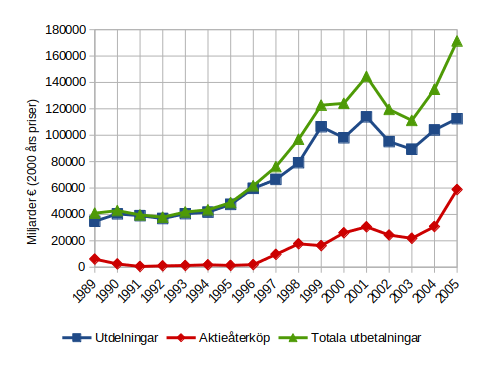
Share buybacks are in focus ahead of Q2 FY27 results, raising questions about their effectiveness for investors. This article explores the implications and strategies associated with buybacks in the current market landscape.
Understanding Share Buybacks
Share buybacks have become a hot topic among investors, particularly as companies prepare to release their financial results. These transactions occur when a company purchases its own shares from the market, effectively reducing the number of outstanding shares. This can lead to an increase in earnings per share (EPS), which may enhance the stock’s appeal.
However, the strategy is not without its critics. Some argue that funds used for buybacks could be better allocated toward research, employee wages, or other growth initiatives. The debate intensifies as companies announce their buyback programs, especially in anticipation of quarterly earnings.
As investors weigh the merits of share buybacks, several factors should be considered:
- Market Conditions: Are buybacks happening in a bullish market?
- Company Performance: Is the company in a strong financial position?
- Long-term Strategy: How does this align with future growth plans?
Impact of Buybacks on Stock Prices
Share buybacks have a significant impact on stock prices, often leading to an increase in value for existing shareholders. When companies repurchase their own shares, they effectively reduce the total number of shares outstanding, which can enhance earnings per share (EPS). This financial maneuver indicates confidence from management in the company’s future prospects.
However, the long-term effectiveness of share buybacks as a strategy is debated. Some analysts argue that funds used for buybacks could be better allocated towards growth initiatives or research and development. Others contend that buybacks can help stabilize stock prices during market volatility.
In summary, while share buybacks may provide immediate benefits in terms of stock price appreciation, investors should consider the broader implications and whether such strategies align with the company’s long-term goals.
Q2 FY27 Results: What to Expect
As companies prepare to release their Q2 FY27 results, analysts are keenly observing the potential impact of share buybacks on their financial performance. Many firms have turned to this strategy as a way to return value to shareholders, particularly in response to fluctuating market conditions. Market experts suggest that the effectiveness of buybacks will largely depend on the overall economic environment and the specific circumstances surrounding each company.
Investors are advised to pay attention to the following key factors during the earnings announcements:
- Buyback Announcements: Insights into how aggressive companies are with their buyback programs.
- Impact on Earnings Per Share (EPS): How buybacks might influence reported EPS figures.
- Future Guidance: Expectations regarding future buyback plans and capital allocations.
Overall, understanding these elements will be crucial for investors weighing the viability of share buybacks as a strategic approach.
Investor Sentiment Around Buybacks
Investor sentiment around share buybacks has been a topic of considerable debate in recent months. Many investors view buybacks as a positive signal, indicating that a company believes its stock is undervalued. This can lead to a sense of optimism among shareholders, who may anticipate a rise in stock prices as companies reduce the number of shares outstanding.
However, not all investors share this enthusiasm. Critics argue that companies may prioritize buybacks over essential investments in growth or innovation. This perspective suggests that when firms engage in share buybacks, they might be neglecting opportunities that could yield better long-term returns.
Ultimately, the sentiment surrounding buybacks varies widely among investors, reflecting differing opinions on their effectiveness as a strategy. As Q2 FY27 results approach, the discourse on share buybacks is likely to intensify.
Historical Trends in Share Buybacks
Share buybacks have seen significant fluctuations over the years, reflecting changing market dynamics and investor sentiment. In the early 2000s, many companies engaged in aggressive buyback programs, leading to a surge in stock prices. However, the 2008 financial crisis prompted a reevaluation of such strategies, with many firms opting to conserve cash instead.
In the subsequent recovery period, share buybacks regained popularity as companies sought to enhance shareholder value. Recent years have highlighted a trend where firms prioritize buybacks over other investments, such as research and development. This shift raises questions among investors regarding the long-term sustainability of such strategies.
As companies prepare for Q2 FY27 results, analysts are keenly observing the impact of share buybacks on financial performance, which could influence investor decisions in the coming months.
Risks Associated with Buybacks
While share buybacks can enhance shareholder value, they are not without risks. One significant concern is that companies may prioritize buybacks over crucial investments in growth. This can lead to stagnation, particularly in rapidly evolving industries where innovation is key.
Additionally, buybacks can create a false sense of security among investors. When companies repurchase shares, it can artificially inflate stock prices, masking underlying operational issues. This can lead to a risky environment where stock performance is disconnected from the company’s actual health.
Moreover, if a company spends too much on buybacks during unfavorable market conditions, it can strain financial resources. Investors should be cautious and consider these factors before viewing share buybacks as the ultimate strategy for long-term gains.
- Potential neglect of growth opportunities
- Artificial inflation of stock prices
- Financial strain during downturns
Expert Opinions on Buyback Strategies
Experts are divided on the effectiveness of share buybacks as a strategy for investors. Some argue that buybacks can signal a company’s confidence in its future, potentially leading to increased stock prices. John Smith, a financial analyst, states, “When a company opts for share buybacks, it often indicates that management believes the stock is undervalued, which can attract more investors.”
On the other hand, critics caution that these strategies may prioritize short-term gains over long-term growth. Emily Johnson, an investment strategist, explains, “While share buybacks can provide immediate benefits to shareholders, they may divert funds from essential business improvements or innovation.”
Additionally, the long-term effects of buybacks on a company’s financial health remain uncertain. As investment strategies evolve, the debate surrounding share buybacks continues, prompting investors to weigh both the potential rewards and risks carefully.
Conclusion: Evaluating Buybacks
In conclusion, evaluating share buybacks as an investment strategy requires careful consideration of various factors. While buybacks can enhance shareholder value by reducing the number of outstanding shares, they are not without their risks. Investors must weigh the potential short-term benefits against the long-term implications for a company’s financial health.
Moreover, the context of each company’s buyback program plays a crucial role. A strategic buyback can signal management’s confidence in the company’s future, while excessive buybacks may indicate a lack of better investment opportunities.
As the market continues to evolve, understanding the implications of buybacks is essential. Investors are encouraged to stay informed about changes in market sentiment and the broader economic landscape that may affect the effectiveness of share buybacks as a strategy.
- Assess company fundamentals before investing.
- Consider alternative uses of capital.
- Monitor market conditions closely.
By Plrk via Openverse
References
Kalkine India · Share buybacks
Related stories
McCormick Q3 2026 earnings: Is it the worst performance yet? · Time Technoplast Merger: Clear Benefits for Shareholders · Welspun Corp stock forecast: Is it the best investment now?